How to Build Wider Shoulders (And Why Most Beginners Are Training Them Wrong)
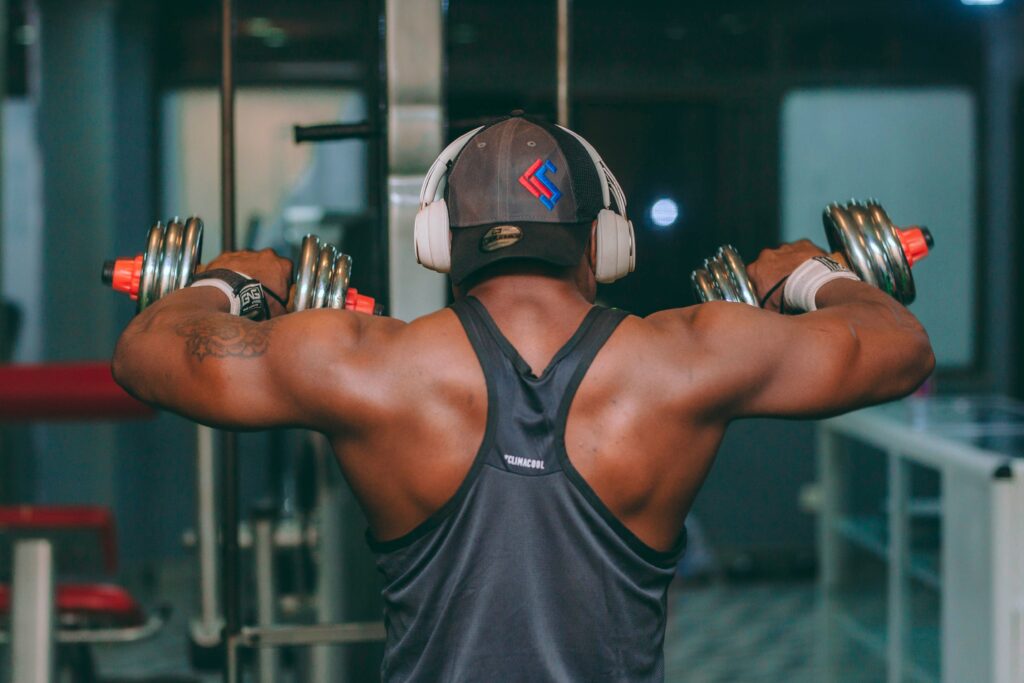
Most people who want wider shoulders spend the majority of their time doing bench press and overhead press. Then they wonder why, after months of training, their shoulders still look about the same width as when they started.
It is not a volume problem. It is not a consistency problem. It is a targeting problem.
The front of your shoulder — the anterior delt — gets hit every single time you press anything. Bench press, overhead press, dips, push-ups. All of it loads the front delt. And for most beginners, the front delt is already the most developed part of the shoulder without them ever training it directly. The side delt, which is the muscle actually responsible for shoulder width, gets almost nothing from pressing movements. Yet most beginners’ programs are built almost entirely around pressing.
This article is going to cover how shoulder width actually works, which muscles you need to prioritize, how to train them properly, and the mistakes that keep most beginners stuck.
The Anatomy You Actually Need to Know
Your shoulder is made up of three heads: the front delt, the side delt, and the rear delt. Each one does something different, and each one contributes to your physique in a different way.
The front delt is responsible for raising your arm forward. It gets worked heavily during any pressing movement. As mentioned, most people have this portion overdeveloped relative to the others without realizing it.
The side delt is responsible for raising your arm out to the side. This is the muscle that adds width to your frame. When someone looks at you from the front and your shoulders look wide, that is almost entirely the side delt doing that work. This muscle does not get loaded meaningfully by pressing. It needs direct work.
The rear delt sits at the back of the shoulder and pulls your arm backward. It does not add much visible width from the front, but it contributes to shoulder thickness and roundness from the side and back view, and it plays a major role in posture. Beginners almost universally neglect it.
For the purpose of building wider shoulders, the side delt is your priority. But all three need to be trained if you want shoulders that look complete rather than just front-loaded.
Why Lateral Raises Work, And Why Yours Probably Don’t
The lateral raise is the primary exercise for the side delt. Most beginners know this. Most beginners also do lateral raises incorrectly for months without realizing it, then conclude that lateral raises don’t work very well.
Here is what usually happens: the weight is too heavy, so the body compensates by using momentum and recruiting the traps. The arms swing up rather than being lifted with control. The dumbbells end up going slightly forward rather than directly out to the side. The shoulder is barely involved at any point during the movement, and the traps and front delt absorb most of the load.
A lateral raise that is done with too much weight, too much momentum, and poor positioning is essentially a trap shrug with some arm movement attached. It will build your traps and not much else.
The fix is straightforward but requires an ego check.
Lower the weight significantly. You are probably not as strong in your side delt as you think you are, and that is completely normal. The side delt is a relatively small muscle and it fatigues quickly. Trying to lateral raise with the same dumbbell you curl with is almost always a mistake.
From there, focus on a few things during each rep. Your elbow should lead the movement, not your hand. Think about lifting with the elbow rather than the wrist. Your arm should travel directly out to the side, not forward. At the top of the movement, your elbow should be roughly in line with your shoulder, maybe slightly above. You should feel a distinct squeeze or burn in the side of your shoulder, not in your trap or the front of your shoulder.
If you are not feeling the side delt working, the weight is too heavy or your form is off. Drop down and get the muscle actually working before adding load.
How to Actually Program Shoulder Width Training
One of the most common mistakes is treating shoulders as a single muscle group that gets one day per week of training. If you are running a push/pull/legs split and hitting shoulders once per week with a few sets of overhead press and lateral raises, you are probably not giving the side delt enough stimulus to grow meaningfully.
The side delt responds well to higher volume and higher frequency. Unlike the chest or quads, which need significant recovery time between sessions, the delts can handle being trained more often without burning out.
A practical approach is to include direct side delt work at least twice per week. This does not mean adding a second full shoulder day. It means adding a few sets of lateral raises to sessions where they fit naturally. A lot of people add lateral raises at the end of a push day and again at the end of a pull day, since both sessions are already hitting upper body and the side delt is fresh enough for direct work by the end of either session.
Three to four sets of lateral raises per session, done twice per week, gives you six to eight sets of direct side delt work weekly. That is a meaningful amount of volume for a muscle that is often getting zero direct work.
For each set, keep the rep range between 12 and 20. Side delt work generally feels better and produces better results in slightly higher rep ranges. Sets of eight heavy reps tend to lead to the compensation patterns described earlier. Lighter weight and more controlled reps keeps the muscle actually doing the work.
Cable Lateral Raises Versus Dumbbell Lateral Raises
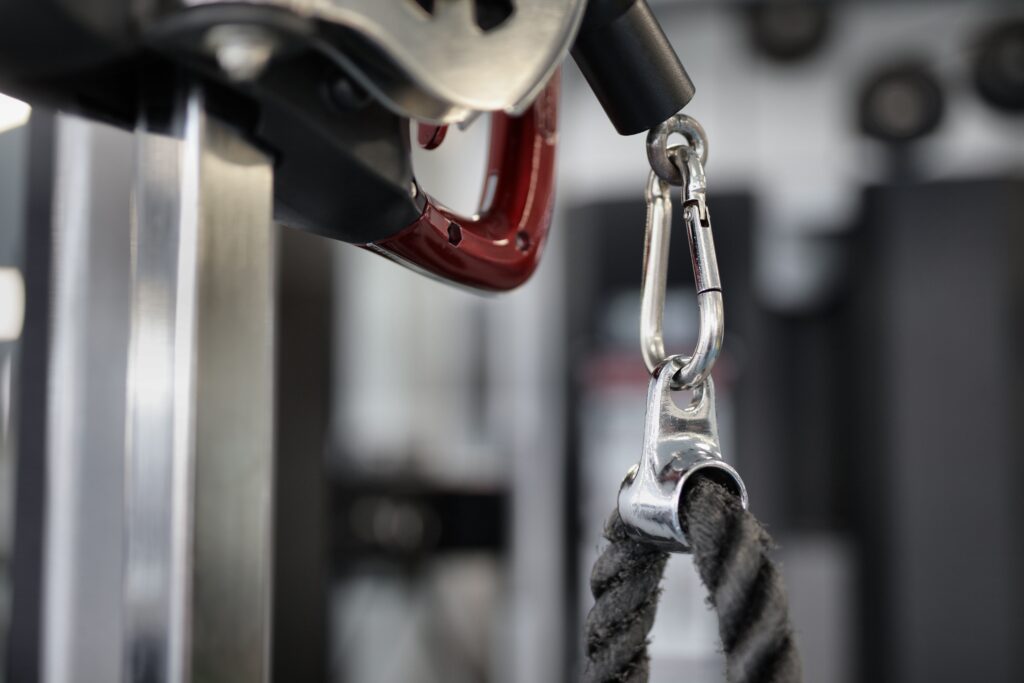
If you have access to a cable machine, cable lateral raises are worth including alongside dumbbell variations.
With a dumbbell, the resistance curve is uneven. At the bottom of the movement, when your arm is hanging at your side, there is almost no tension on the side delt. The peak tension is at the top. This means a portion of each rep is essentially wasted.
A cable machine, when set up at the low position, provides consistent tension throughout the entire range of motion. The side delt is loaded from the very beginning of the rep all the way through. This produces a different and often more effective stimulus, especially for the stretch portion of the movement.
The cable lateral raise is done the same way as the dumbbell version — elbow leads, arm travels directly to the side, controlled throughout. The difference is just in where the tension comes from.
A good approach is to use both. Dumbbell lateral raises are easier to progress on and simpler to set up. Cable lateral raises provide better tension and are excellent for higher rep sets. Using one as your primary movement and the other as a secondary option gives you the benefit of both.
Rear Delts: The Part Everyone Ignores
Building wide shoulders is primarily a side delt project, but ignoring the rear delt is a mistake that will eventually limit how your shoulders look and how your posture holds up.
From a purely aesthetic standpoint, developed rear delts make the shoulder look thicker and rounder when viewed from any angle other than directly front-on. They also pull the shoulder back into a more upright position, which improves posture and makes the chest appear fuller. A lot of people who look like they have narrow shoulders from the side actually have an anterior tilt in their shoulder from overdeveloped front delts and underdeveloped rear delts. Addressing the rear delt fixes this.
From a health standpoint, the front delt and the chest are both internal rotators of the shoulder. If they are significantly stronger than the rear delt and the rest of the rotator cuff, the shoulder gets pulled forward and internal rotation becomes the default position. Over time this contributes to shoulder discomfort, impingement, and reduced range of motion during pressing movements.
The most direct rear delt exercises are face pulls, reverse cable flies, and bent-over dumbbell reverse flies. Face pulls are particularly effective because they also work the external rotators of the shoulder and tend to be easier to feel correctly than some other rear delt movements.
Include two to three sets of rear delt work per session, either at the end of a pull day or integrated into your shoulder training. It does not need to be the focus. It just needs to be there consistently.
What to Expect and How Long It Takes
Side delt development takes time. For most beginners, it is genuinely one of the slower muscles to develop, partly because it is small and partly because most people spend a significant period doing the exercise incorrectly before they dial in the technique.
In the first month or two, the primary goal is learning to actually feel the muscle working. If you can get to a point where every set of lateral raises produces a clear burn in the side of the shoulder rather than the trap or front delt, you are already ahead of most people in the gym.
Between months two and four, with consistent training and improving technique, you will likely start noticing the side delt filling out slightly. It will not be dramatic at this stage, but when you look at yourself from the front in good lighting, the silhouette of the shoulder will start to look a little different.
Meaningful visible shoulder width for someone starting from average development typically takes six months to a year of consistent, correctly targeted training. That is not discouraging — it is just the reality of how long muscular development takes when you are working a specific area. What changes quickly is the shape and roundness of the shoulder. What takes longer is genuine width.
The people who make the fastest progress are the ones who sort out their technique early, train the side delt with actual volume and frequency, and stop assuming that pressing alone will fix the problem.
A Simple Starting Point
If your current training is not producing visible shoulder width, here is a straightforward adjustment to make immediately.
Add two sets of lightweight cable or dumbbell lateral raises at the start of every upper body session, before you do anything else. Doing them fresh, before your shoulders are already fatigued from pressing, lets you focus entirely on the technique and the muscle connection. Keep the weight light enough that you can do 15 clean reps with full control. Do this for four weeks.
After four weeks, assess whether you are actually feeling the side delt working on every rep. If yes, you can start treating lateral raises as a more serious part of your programming and increase the volume. If not, stay at this lighter weight and keep refining the technique.
It is a small adjustment, but getting the muscle to actually respond to the stimulus is the entire game with lateral raises. Once that connection is there, the muscle will respond.
The shoulder width you want is mostly a side delt problem. Train the side delt correctly and you will see the difference.