How to Build a Better Chest Without Destroying Your Shoulders
Walk into any gym on a Monday and the bench press stations will be occupied. The chest is one of the first muscles most beginners want to develop, and the bench press is almost universally the first exercise they reach for. For some people this works out fine. For a significant number of others, months of benching produces shoulders that feel worn down and a chest that still does not look particularly developed despite all the pressing work.
Both of these outcomes have the same root cause. The chest is one of the most commonly undertrained muscles in beginner programmes despite being one of the most trained, and the shoulder discomfort that accompanies a lot of beginner pressing comes from the same technical and programming errors that prevent the chest from developing properly in the first place.
Why the Chest Is Harder to Train Than It Looks
The pectoralis major is a large, fan-shaped muscle that originates from the sternum and collarbone and inserts into the upper arm. Its primary function is to bring the arm across the body and toward the midline, which is the motion that produces the most tension in the chest muscle.
The problem with most pressing movements is that they do not take the arm through this full motion. A standard bench press brings the arms forward and up, which does load the chest, but stops well short of the full contraction position where the pec is most active. The arms never come across the body. The chest never fully contracts. A significant portion of what the muscle could be doing during the exercise never actually happens.
This is why a lot of beginners press significant weight but feel it primarily in the front delt and tricep rather than the chest. The chest is involved, but it is not being taken through the range of motion that forces it to do the majority of the work.
The other issue is that the shoulder joint is involved in every pressing movement, and when the chest is not doing its job properly, the shoulder picks up the slack. Over time, a pressing programme built around movements the chest is not actually dominating becomes a shoulder programme with some chest involvement. This is how you end up with worn out shoulders and an underdeveloped chest at the same time.
The Stretch Is Where Chest Development Comes From
Research and practical experience both point to the same conclusion about chest training. The stretched position, where the pec is under load at its longest length, is where the majority of the growth stimulus comes from.
This means the bottom of a press, where the arms are lowered and the chest is fully stretched, is the most important part of the movement from a development standpoint. Exercises and techniques that maximise the stretch on the chest at the bottom of the movement consistently produce better chest development than those that do not.
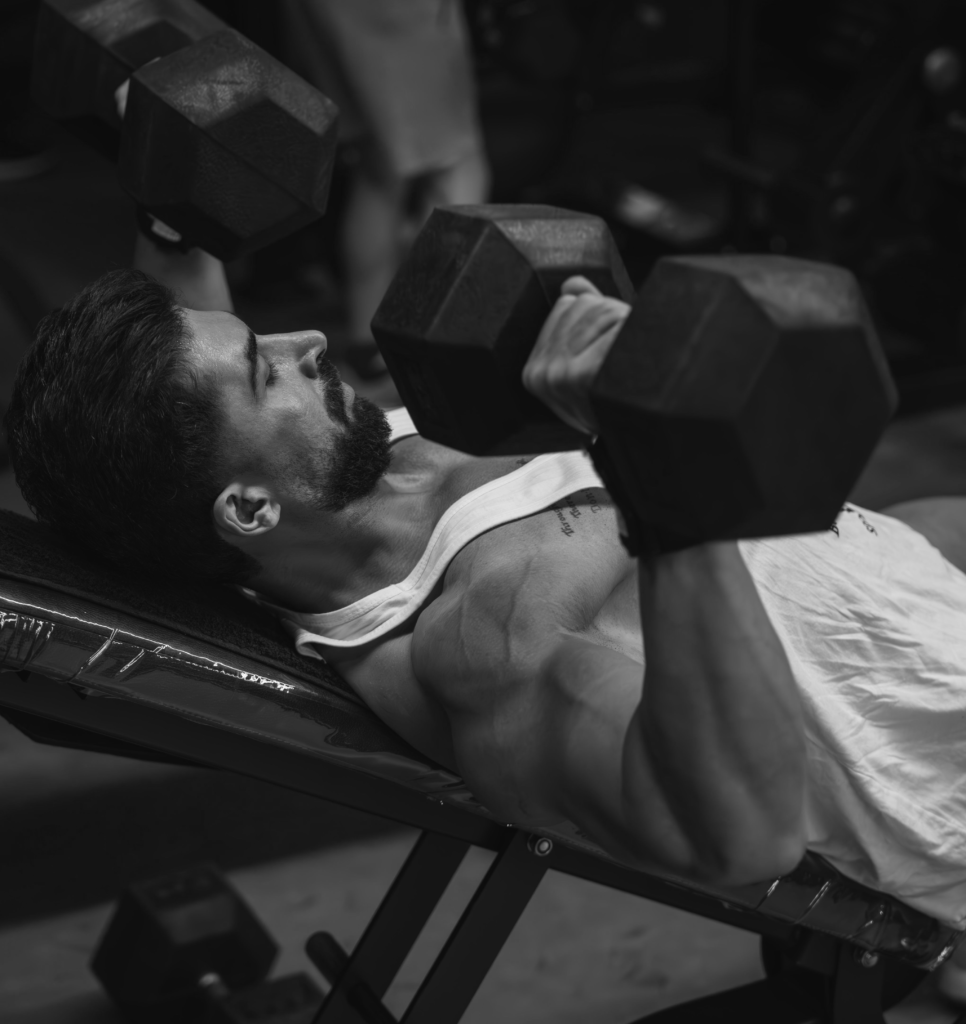
Dumbbell pressing has a significant advantage over barbell pressing for this reason. With a barbell, the range of motion is limited by the bar making contact with the chest. With dumbbells, the arms can travel lower and wider at the bottom of the movement, producing a deeper stretch in the pec before the press begins. This additional range is not trivial. It is one of the main reasons dumbbell pressing often produces better chest development for beginners than barbell pressing despite allowing for less total weight.
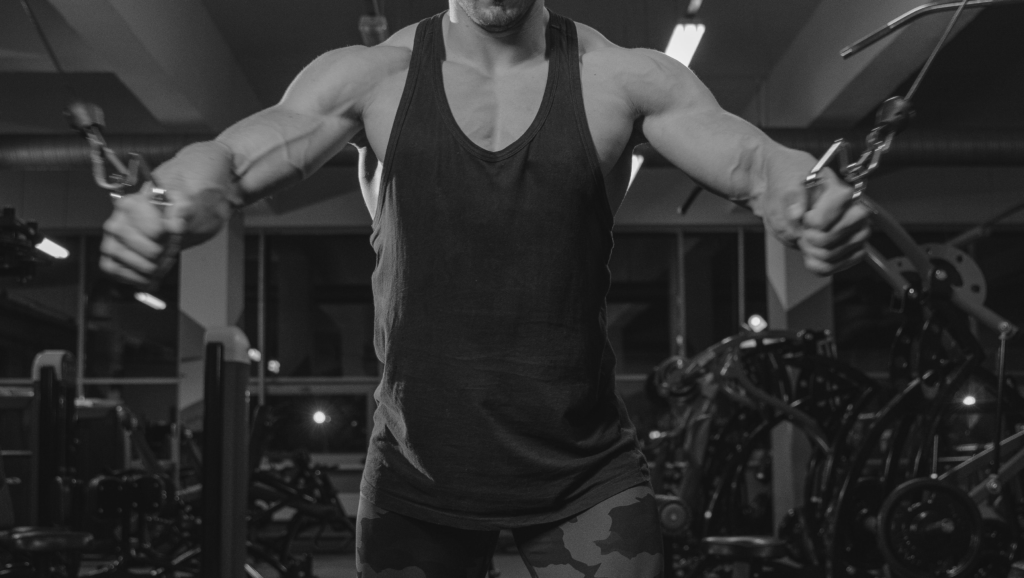
The cable fly and the dumbbell fly both take the chest through a stretch that pressing movements do not fully replicate. In these movements the arm travels out to the side and the pec stretches across its full length before being contracted back to the midline. The tension is also consistent through the movement in a way that pressing movements are not, which means the muscle is being loaded through a longer effective range.
Including at least one fly variation in chest training is one of the most straightforward ways to improve chest development for beginners who have been relying exclusively on pressing.
Why the Shoulder Gets Involved and How to Stop It
The most common technical error in pressing movements is allowing the shoulder to roll forward and take over the initial portion of the press. This happens naturally when the weight is too heavy to control properly, when the setup is incorrect, or when the mind-muscle connection to the chest has not been developed yet.
The shoulder rolling forward is a compensation pattern. The body recruits the stronger, more mobile shoulder joint to initiate the movement because the chest is not activating strongly enough to do it on its own. Once this pattern is established it tends to persist even when the weight is reduced, because the nervous system has learned to initiate the movement that way.
Two things fix this. The first is setup. Retracting the shoulder blades before pressing, pulling them together and slightly downward, locks the shoulder into a stable position and makes it significantly harder for it to roll forward during the movement. This one cue alone changes how the press feels for most people who have never deliberately set their shoulders before pressing.
The second is consciously initiating the press by driving the chest rather than the shoulder. Thinking about pushing the chest up into the bar rather than pushing the bar up off the chest is a cue that sounds trivial but makes a genuine difference to which muscle takes over at the start of the movement. Combined with a proper shoulder blade retraction setup, this cue shifts the stimulus back to the chest where it belongs.
Incline Versus Flat Versus Decline
The chest is not a single uniform muscle. The upper portion, the clavicular head, is trained more effectively by pressing at an incline. The lower portion, the sternal head, is more active during flat and decline pressing. Both portions matter for a complete looking chest.
For most beginners, the upper chest is significantly more underdeveloped relative to the lower portion, partly because flat pressing loads the lower and mid chest more directly and partly because the lower chest tends to be a stronger mover in pressing patterns. Prioritising incline work early in training addresses this imbalance and produces a chest that looks fuller and more developed from the front and side.
A 30 to 45 degree incline is the most effective range for upper chest emphasis. Beyond 45 degrees the front delt starts to take over and the chest involvement reduces. A lot of gyms have fixed incline benches set at 60 or 70 degrees, which is too steep for effective chest training. Adjustable benches set at a lower angle or incline dumbbell pressing on an adjustable bench at the right angle are more useful.
Decline pressing loads the lower chest more effectively but is the least necessary variation for most beginners. The lower chest tends to develop adequately from flat pressing and the aesthetic priority for most people is upper chest fullness rather than lower chest development. Including some flat pressing and prioritising incline work covers both portions without needing to add decline as a third variation.
The Mind-Muscle Connection Is Not Optional
The chest is one of the muscles where the mind-muscle connection makes the most noticeable difference to training outcomes. Two people can perform the same pressing exercise with the same weight and the same technical form and get different results if one is consciously feeling their chest work and the other is just moving the weight.
This is not mystical. It reflects the fact that the chest and the shoulder and the tricep are all involved in pressing, and where your attention is directed influences which muscles are recruited most actively during the movement. Consciously focusing on feeling the chest stretch at the bottom and contract at the top shifts the stimulus distribution in favour of the chest.
For beginners who have never felt their chest properly during pressing, starting with light dumbbell flies before moving to pressing exercises is a useful approach. The fly isolates the chest more directly than the press and makes it easier to feel the muscle working. Getting that sensation first and then carrying it into pressing movements helps establish the connection that makes pressing more effective.
How to Structure Chest Training
For most beginners, a chest session should include one incline pressing movement as the primary exercise, one flat pressing movement as a secondary exercise, and at least one fly variation for direct stretch-focused work on the chest.
Starting with the incline movement when fresh ensures the upper chest receives the most stimulus before fatigue sets in. Following with flat pressing adds volume to the overall chest. Finishing with cable or dumbbell flies takes the muscle through the full range of motion and provides a different stimulus to the pressing movements that have preceded it.
Sets in the eight to twelve rep range work well for pressing movements. Fly variations respond well to slightly higher reps, around twelve to fifteen, where the weight is light enough to maintain full control and a proper stretch throughout.
The number of total sets depends on the overall programme, but somewhere between eight and twelve working sets for the chest per week is a reasonable range for most beginners. This can be split across two sessions per week if the programme allows, which gives the chest more frequent stimulus and more opportunities to practice the technique.
Protecting the Shoulder Long Term
The shoulder discomfort that many beginners develop from pressing is almost always preventable rather than inevitable. The same errors that prevent chest development, poor setup, no shoulder blade retraction, weight too heavy to control, and insufficient range of motion, are also the errors that load the shoulder joint in ways it is not designed to handle repeatedly.
Rear delt work and external rotation exercises protect the shoulder from the cumulative effects of heavy pressing. Face pulls, band pull-aparts, and external rotation work balance the internal rotation load of pressing and keep the shoulder joint healthy over the long term. Including two to three sets of this kind of work at the end of pressing sessions costs very little time and prevents the shoulder issues that derail a lot of beginners several months into training.
The goal is a chest that looks developed and a shoulder that feels healthy enough to keep training. These two outcomes are not in conflict. They are both products of the same thing, pressing movements performed with correct technique, appropriate loading, and enough balance work to keep the joint in good condition over time.
A chest that is trained well looks significantly different to one that has been pressed heavily without attention to any of this. Fuller through the upper portion, more defined across the entire muscle, and visible in clothing in a way that a flat, undertrained chest never is regardless of how strong the press has gotten.