The Difference Between Training for Size and Training for Shape
If you ask most beginners what their goal is, they will say something like wanting to get bigger or wanting to put on muscle. These are reasonable goals, but they are also incomplete ones, because getting bigger is not the same thing as looking better. Plenty of people spend years adding muscle mass and end up with a physique that is larger than when they started but no more aesthetic. The size increased. The shape did not improve in the ways they were actually after.
The reason this happens is that training for size and training for shape are related but genuinely different pursuits. They share some of the same principles, but the emphasis, the exercise selection, the technique priorities, and the way progress is measured all differ in ways that compound significantly over months and years of training.
Understanding the difference early changes the entire trajectory of your results.
What Training for Size Actually Means
Training for size, in the way it is most commonly understood and practised, is built around a fairly simple idea. Apply progressive overload to the major compound movements, eat in a caloric surplus to support growth, and measure success through increasing weight on the bar and increasing bodyweight over time.
The exercises at the centre of this approach are the big compound lifts. Squat, deadlift, bench press, overhead press, barbell row. These movements load multiple muscle groups simultaneously, allow for heavy loading, and produce general increases in muscle mass across the body. The goal is to get stronger on these lifts over time, with the understanding that increased strength in these movements correlates with increased muscle mass.
This approach works. It genuinely produces muscle growth and it has been the foundation of effective strength and size training for decades. The issue is not that it is wrong. The issue is that it optimises for mass rather than for shape, and mass distributed without attention to proportion does not automatically produce an aesthetic physique.
Someone who spends two years squatting and deadlifting heavily will be meaningfully bigger than when they started. They will also likely have a thicker midsection from the core demands of those movements, a more developed lower body than upper body if squatting was emphasised, and potentially significant front delt development from pressing without corresponding side delt development from isolation work. The mass is there. The aesthetic proportions may not be.
What Training for Shape Actually Means
Training for shape starts from a different question. Instead of asking how to add the most muscle mass overall, it asks which muscles need to be developed, in what proportions, using which movements, to produce the specific visual outcome being targeted.
This does not mean abandoning compound movements or ignoring progressive overload. Both still matter. What changes is the emphasis and the criteria used to evaluate whether training is working.
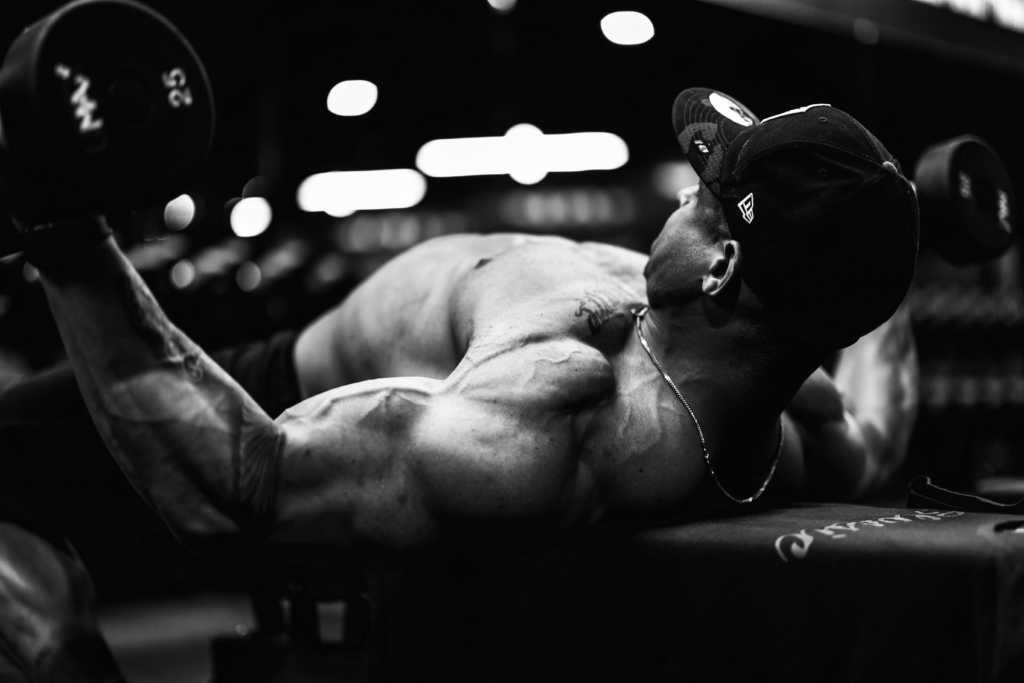
In shape-focused training, exercise selection is judged not just by whether it builds muscle but by whether it builds the right muscle in the right way. An incline dumbbell press is chosen over a flat barbell press not because it builds more overall chest mass but because it emphasises the upper chest and produces a different shape to the muscle that is more visible in clothing and more aesthetically pleasing in the overall physique. A cable lateral raise is prioritised not just because it trains the shoulder but because the consistent tension through the full range of motion develops the side delt in a way that contributes directly to shoulder width.
Range of motion becomes a priority because full range of motion develops muscles through their entire length, producing a different shape to the muscle than partial range training does. A bicep curl that comes all the way down to a full stretch at the bottom and all the way up to a full contraction at the top develops the bicep differently to one that stays in the middle portion of the range where the weight feels heaviest.
Muscle feel during the exercise matters more. In size-focused training, moving the weight is the goal and the specific muscle doing the work is secondary. In shape-focused training, the muscle being targeted needs to actually be the one absorbing the stimulus. A bench press where the shoulder does most of the work is not training the chest regardless of how much weight is on the bar.
The Role of Compound Movements in Shape Training
One misconception worth addressing is that training for shape means avoiding heavy compound movements in favour of isolation exercises. This is not the case.
Compound movements are still the foundation of an effective training programme for aesthetic purposes. They allow for progressive overload across multiple muscle groups simultaneously, they build the general muscle mass that isolation work then refines and shapes, and they are efficient in a way that makes them hard to replace.
The difference is in which compound movements are selected and how they are performed. A conventional deadlift is a compound movement optimised for loading and overall strength. A Romanian deadlift is a compound movement optimised for hamstring stretch and development. Both are compound exercises. They produce different outcomes.
A wide grip barbell row with a slight forward lean is a compound movement that emphasises upper back thickness. A close grip cable row with an upright torso and a focus on pulling the elbows back emphasises the mid back differently. Both are rows. They are not the same exercise for shape purposes.
The selection of compound movements in shape-focused training is guided by which version of the movement best develops the muscle in the way that contributes to the proportions being targeted. That is a more specific criterion than simply choosing the exercise that allows for the heaviest loading.
Where Progressive Overload Fits
Progressive overload still applies in shape training. Muscles need to be progressively challenged over time to continue adapting and growing. The difference is in what is being progressed and why.
In size training, the primary progression metric is weight on the bar on the major compound lifts. In shape training, progression is tracked across a wider range of exercises, including the isolation movements that directly develop the muscles responsible for the proportions being built.
Getting stronger on lateral raises matters. Progressing on incline press matters. Adding weight or reps to leg extensions over time matters. These are not secondary concerns to be treated as accessories to the real training. They are primary measures of whether the muscles responsible for the shape being built are actually developing.
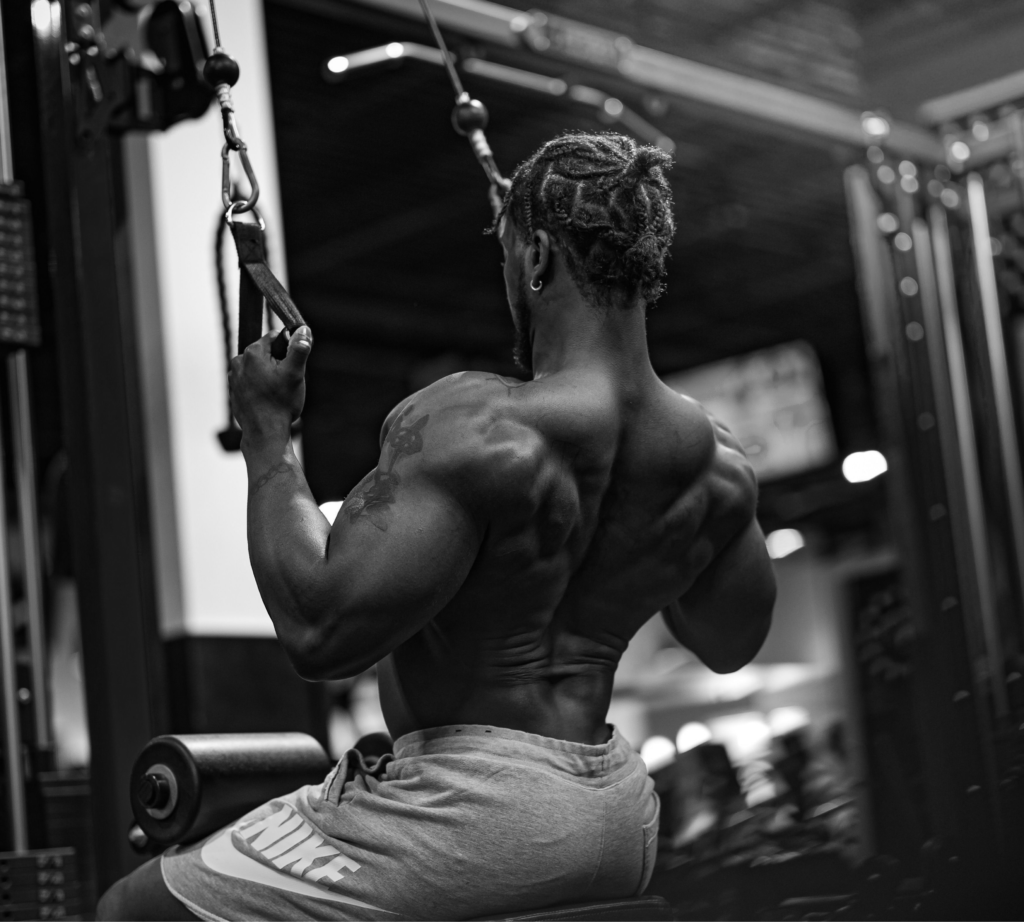
This shift in what gets tracked and prioritised changes the training in a practical way. Instead of measuring success by a squat personal record, success is measured by whether the side delts are wider than they were three months ago, whether the upper chest has more shape, whether the lats are creating a visible V-taper that was not there before. These outcomes require progressive overload just as much as a bigger squat does, but the overload needs to be applied to the right exercises.
Why Most Beginners Default to Size Training
Size training is the default in most gym environments for a few reasons. The culture around lifting has historically been built around strength metrics and overall mass. The most popular programmes are size and strength focused. The exercises that allow for the heaviest loading are generally the most celebrated, and progress in the gym is most commonly measured by what you can lift.
There is also a logical appeal to the idea that more mass is always better and that shape can be refined later. The problem is that years of training in one direction builds habits, movement patterns, and proportions that take significant time to redirect. Someone who spends three years prioritising the squat and bench press will have developed proportions that reflect those priorities. Redirecting toward the proportions of an aesthetic physique from that starting point is possible but slower than building toward those proportions from the beginning.
Starting with clarity about the actual goal, which for most people reading this is an aesthetic physique rather than a bigger total or a heavier squat, allows the training to be set up correctly from the start. The size will come. It comes as a natural result of progressive resistance training over time. The question is whether the size develops in the places and in the proportions that produce the outcome you were actually after.
Putting It Into Practice
The practical difference between size training and shape training comes down to a few specific decisions made at the programme level.
Exercise selection is guided by which movements develop the muscles that matter most for the proportions being built, not just which movements allow for the heaviest loading. The upper back and shoulders receive volume that reflects their importance to the aesthetic outcome, not just whatever is left after the primary compound lifts are done.
Technique is held to a standard where the target muscle is actually doing the work, even if that means reducing the weight. A lateral raise done with traps and momentum is not a shoulder exercise. A bench press where the shoulder dominates is not a chest exercise. The movement only counts if the right muscle is being trained.
Range of motion is treated as a priority rather than something to be sacrificed for heavier loading. Full stretch, full contraction, controlled throughout. This applies particularly to isolation movements where the shape of the muscle is being developed.
Progress is tracked on the exercises that correspond to the physique qualities being built. Strength improvements on lateral raises, lat pulldowns, incline press, and Romanian deadlifts are treated as primary metrics alongside or above the numbers on the big compound lifts.
None of this makes training harder in terms of effort. It makes it more deliberate. And deliberate training, applied consistently over time toward a clear outcome, is what produces a physique that actually resembles the one that motivated you to start in the first place.