How to Look Better in Clothes Through Training
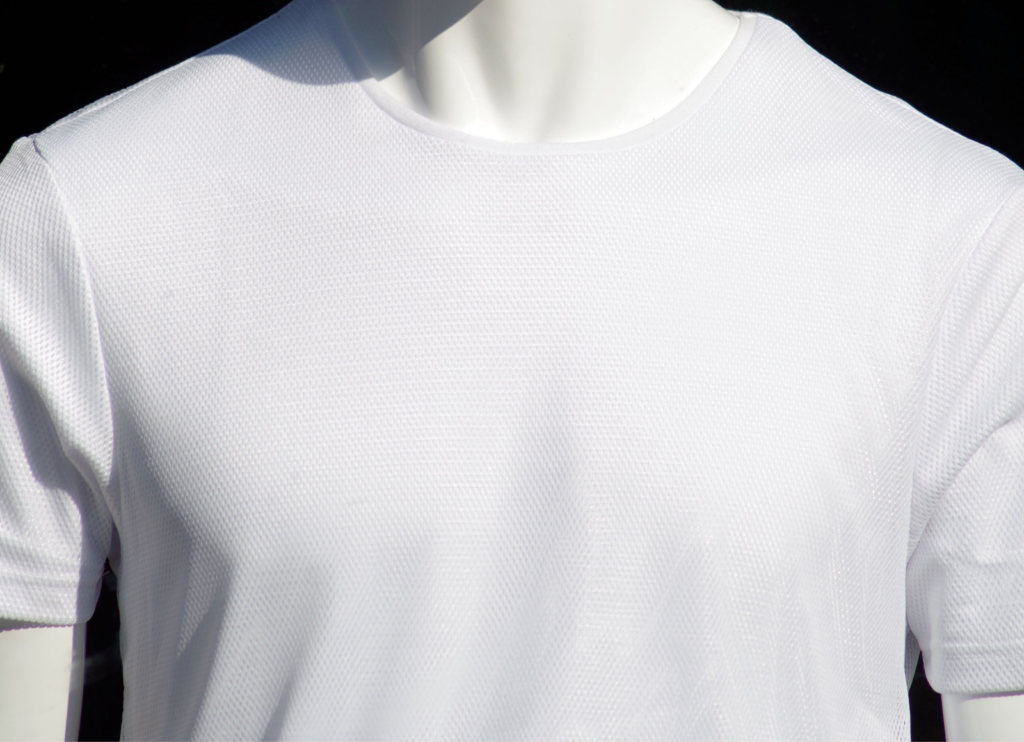
Most people who start training have a pretty clear image in their head of what they are working toward. They want to look better. Not necessarily on a stage or in a photoshoot, but in everyday life. Walking into a room, wearing a t-shirt, putting on a jacket. The goal, whether people say it out loud or not, is to look better clothed than they did before they started training.
The interesting thing is that very few training resources talk about this directly. Articles cover muscle groups, rep ranges, and programme design, but almost none of them address the specific question of which physical changes actually translate to looking better in the clothes you wear every day. That gap is what this article is going to fill.
Why Fit Matters More Than Size
Before getting into which muscles to train, it is worth understanding why certain physique changes affect how clothes fit while others barely make a visible difference.
Clothing is designed around proportions. A shirt has a certain width across the shoulders, a certain taper through the torso, and a certain fit through the sleeves. When your body’s proportions match or exceed what the garment was designed for in the right places, it fits well. When they do not, even expensive clothing looks average.
The changes that make the biggest difference to how clothes fit are not always the ones that look most impressive in gym photos. A person with very large arms but narrow shoulders and a flat chest will struggle to make shirts look good. A person with developed shoulders, a wider upper back, and a reasonably lean midsection will look noticeably better in almost any shirt they put on, regardless of whether their arms are particularly impressive.
Proportion is the variable that clothing responds to most. Training with that in mind changes which muscles you prioritise.
Shoulders Are the Single Most Important Variable
If there is one thing training can do that changes how almost every upper body garment fits, it is building wider shoulders.
Shirts, jackets, and coats are all cut to a shoulder width. When your shoulders fill that width properly, the garment sits correctly and everything below it falls into place. When they do not, the shoulder seam drops down the arm, the chest area looks empty, and the whole thing looks like it belongs to someone else.
Developed side delts create a rounder, wider shoulder that fills out the shoulder seam of almost any upper body garment. This single change affects how t-shirts, dress shirts, jackets, hoodies, and coats all fit. It is not subtle. People who build their shoulders notice the difference in how clothes fit before they notice much else.
The practical implication is that lateral raises and rear delt work should be treated as a priority, not an afterthought. The muscles that create shoulder width are the same ones that transform how upper body clothing looks on you.
Upper Back Width Changes How Shirts Drape
The lats, which run down the sides of your back and insert near the armpit, contribute significantly to the width of your upper body when viewed from the front. A developed lat flare creates a V-shape through the torso that makes shirts and jackets look dramatically better from every angle.
When the lats are underdeveloped, shirts tend to sit flat across the back with no shape to them. As the lats develop, the upper back widens and the fabric starts to follow the shape of the body rather than just hanging off it. This is especially visible in fitted t-shirts and button-up shirts, where the difference between a flat back and a developed one is immediately obvious.
Pull-ups, lat pulldowns, and cable rows targeting the lower portion of the lat are the exercises that build this width. The important thing is to prioritise pulling movements that emphasise the stretch and contraction of the lat rather than just moving the weight with the arms and upper traps.
The Chest Affects the Front of Every Shirt You Own
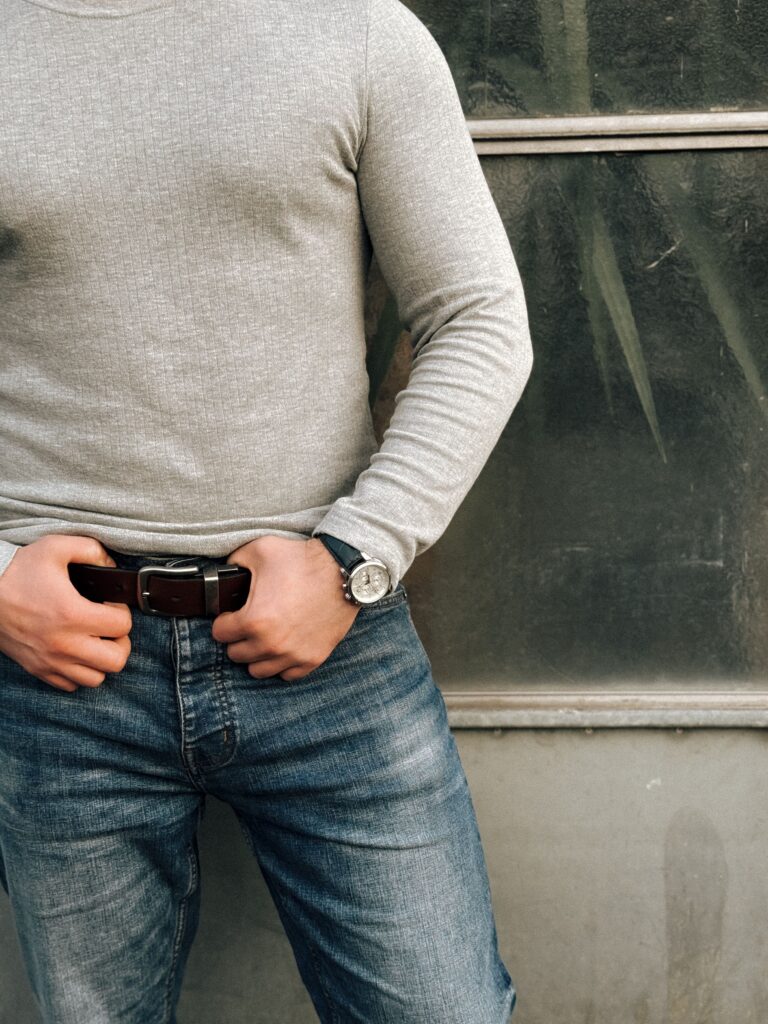
A developed chest changes how the front of every upper body garment sits. Shirts that used to lie flat against a flat chest start to have shape to them. The fabric pulls slightly across the chest in a way that reads as athletic rather than just large.
This is most visible in fitted t-shirts and dress shirts. A chest that fills the front of the garment without pulling at the buttons creates the kind of fit that looks intentional. A flat chest in the same shirt looks like the garment does not belong on that body.
The chest also contributes to how well layered clothing sits. Jackets and coats over a shirt look considerably better when there is a developed chest underneath giving the layers something to sit against.
Incline pressing movements tend to build the upper portion of the chest that is most visible in clothing, particularly when wearing a shirt with a slightly open collar or a jacket. Flat pressing builds overall chest mass. Including both gives you development that shows across all the clothing scenarios that actually come up in daily life.
Arms Fill Sleeves, But Proportion Matters More Than Size
Arms are the thing most beginners focus on first, and they do matter for how clothing fits, but not in the way most people think.
Very large arms without the shoulder and chest development to match them actually make clothing fit worse in some cases. Shirts that are big enough in the sleeves to accommodate oversized arms often end up too large everywhere else, making the overall fit look baggy rather than athletic.
What actually looks good in clothing is proportional arm development, where the bicep and tricep are developed enough to fill the sleeve of a well-fitted shirt without requiring you to size up the entire garment. This is a different goal to building the biggest arms possible, and it leads to different training decisions.
For most people, arms that look good in a fitted t-shirt sleeve come from consistent direct bicep and tricep work alongside the compound pressing and pulling movements that build overall upper body mass. You do not need arms to be a speciality. You need them to be developed enough to match everything else.
The Midsection and the Illusion of a Better Fit
Clothing fits best when there is a contrast between shoulder width and waist width. This is the V-taper concept applied directly to how clothes look on a body rather than how a physique looks without clothes.
A wider shoulder with a relatively narrower waist creates the taper that makes shirts look fitted and intentional rather than boxy. The good news is that this contrast can be created from both directions. Building shoulder and lat width makes the upper body larger relative to the waist. Keeping body fat at a reasonable level keeps the waist from widening and closing the gap between the two.
You do not need to have an extremely lean midsection for clothes to fit well. What you need is enough of a contrast between the upper body width and the waist that the garment has a shape to follow. A relatively lean midsection combined with developed shoulders and lats will make almost any well-cut shirt look good, regardless of whether you would be considered lean by strict fitness standards.
Legs and How Trousers Fit
The lower body is less discussed in the context of clothing fit but still worth addressing.
Developed quads change how trousers fit through the thigh. Jeans and trousers that were designed for an average leg will start to feel tighter through the quad as training progresses, which is not always comfortable but does indicate genuine development. The practical solution is to account for this when buying trousers and look for cuts that allow for athletic leg development.
The hamstrings and glutes also affect how trousers sit. A flat, underdeveloped posterior makes trousers sag and look shapeless from behind. Some glute and hamstring development fills the back of the trouser in a way that makes the fit look considerably better.
Leg training is often neglected by beginners focused on upper body aesthetics, but the lower half of what you wear every day is affected by the same principles. Proportional leg development that matches the upper body is what makes the complete picture look right, both in and out of clothing.
Training With This Goal in Mind
None of what has been covered here requires a completely different approach to training. The muscles that make clothes fit better are largely the same ones that create an aesthetic physique in general. The difference is in how you prioritise them.
Shoulders and upper back width should be treated as the primary focus if looking better in clothing is the goal. These two things affect the fit of more garments than anything else. Chest development follows naturally from any push-focused training. Arms develop alongside everything else without needing to become the main priority.
If you are currently running a programme that is heavily weighted toward pressing and arm work with minimal pulling and shoulder isolation, the adjustment is straightforward. Add more vertical pulling to build lat width. Add more lateral raise volume to build shoulder width. These two changes will produce the most visible improvement in how clothing fits, faster than almost anything else you could do.
The people who look genuinely good in well-fitted clothing are not always the biggest people in the gym. They are the ones with the proportions that clothing was designed to complement. Training with that outcome in mind is a more useful frame than just chasing size, and it tends to produce a physique that looks impressive in real life rather than only under specific conditions.